A Tianjin website's SEO overhaul isn't just a UI refresh—it's a vital reconnection project for commercial traffic. Missing even one key diagnostic could result in 67% of projects experiencing a halving of organic traffic within 30 days. This article dives straight into five must-check items, each corresponding to real rollback costs, lost leads, and ranking evaporation risks.
Tianjin businesses often fall into the ‘traffic zero’ trap when redesigning their websites—not because of coding errors, but because Baidu can no longer recognize them. 87% of old sites carry structural SEO liabilities, causing organic traffic to plummet after redesign. This article dives deep into real-world cases from the Binhai New Area, Hexi District, Wuqing District, and more, explaining how to turn a redesign into a growth-engine reset using a five-step closed loop.

Tianjin foreign trade enterprises building multilingual sites face a 92% bottleneck at the 'can see but can't trust' stage. This isn't a technological upgrade—it's about rebuilding the customer acquisition infrastructure—independent URLs + localized SEO + dynamic compliance are all indispensable. The following article uses real data and cases from enterprises in the Binhai New Area to explain how to turn every page into a business gateway actively sought out by overseas buyers.

The core value of building an industrial website in Tianjin doesn't lie in page aesthetics, but in becoming the front-end neural hub of the enterprise's digital production line. In 2024, the average lead conversion rate of official websites of large-scale industrial enterprises in Tianjin was only 1.7%, lower than the national average of 2.9%—the root cause being the lack of integration with actual business workflows. This article uses real data, local case studies, and verifiable mechanisms to explain how to transform a webpage into an order entry point, a technical endorsement, and an ecological connector.

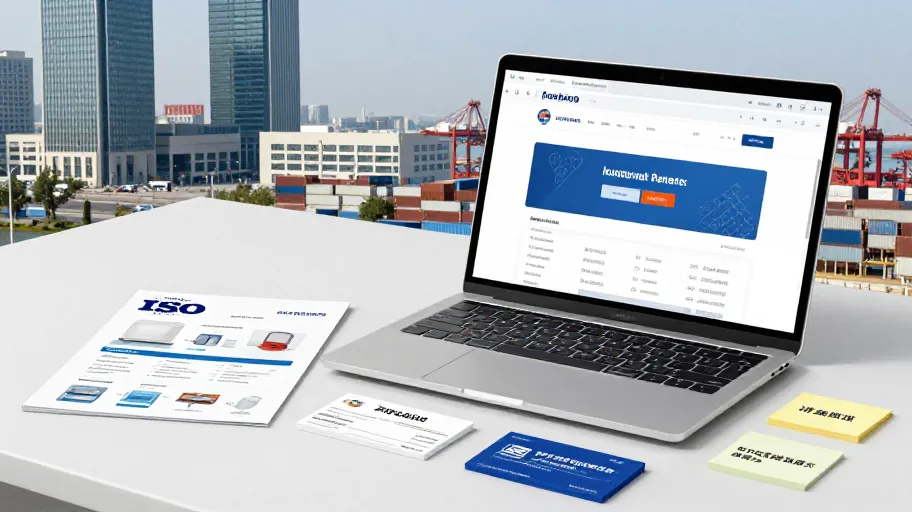
Choosing an independent website for foreign trade in Tianjin is essentially not about "finding someone to build the site," but rather clarifying three key points first: what business actions the website needs to accomplish, which delivery stages your budget covers, and where the supplier's scope ends. If you can clearly define these three aspects, the selection process will naturally narrow down; otherwise, even extensive price comparisons will only add noise. Below, we provide a straightforward decision-making framework to help break down your decision-making process.


Whether or not to implement GEO on a Tianjin industrial independent site isn’t a question—it’s whether you qualify to do so. Empirical evidence shows that qualified companies see their natural traffic conversion rates increase 2.3-fold within 12 months, while lead costs drop by 41%. This article uses five verifiable, measurable, and attributable hard indicators to help you avoid cognitive traps and hit the production break-even point head-on.
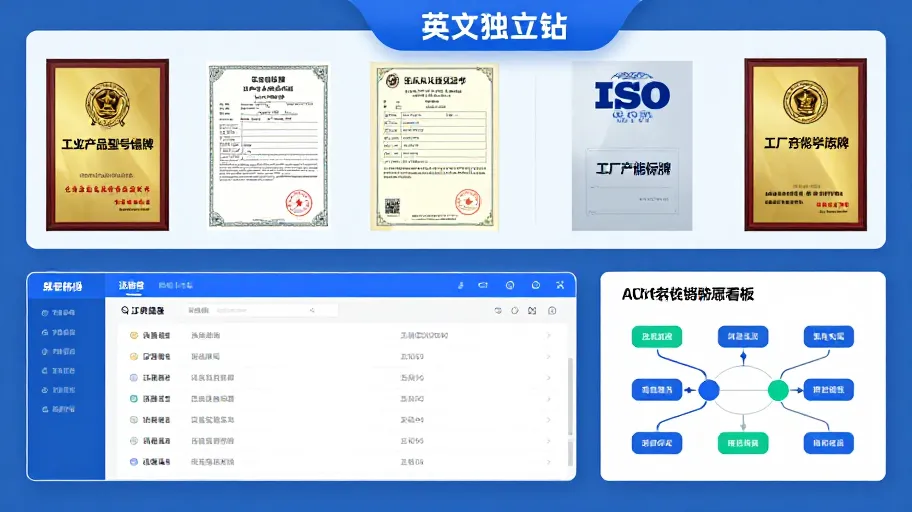
For Tianjin manufacturing enterprises aiming to implement GEO (Generative Engine Optimization), the core issue is not whether "AI can find us," but rather: when a buyer poses a question in an AI search, is your company's data complete, structured, citable, and capable of guiding them all the way to a sales lead? To achieve this, companies typically need to integrate four types of data: