

In the digital age, the rapid development of AI is profoundly changing business operation models across various industries. In marketing, AI customer acquisition has become an essential capability helping businesses capture and convert potential customers more efficiently and precisely. This article discusses the application status, challenges, and future trends in the AI customer acquisition field and introduces how Ideal Auto's latest released MindGPT 3.1 smart model accelerates this progress.

The rapid development of AI technologies has enabled businesses to implement intelligent marketing methods that significantly enhance campaign efficiency. IDC reports reveal China's public cloud AI services market is projected to surge to $1.96 billion in 2024. Alibaba Cloud retains its top position in the domestic AI cloud computing sector, underscoring industry demand for innovative AI applications across industries. We will delve into how AI tools help firms optimize client targeting, improve user experiences, streamline costs, maximize ROI, and support global expansion efforts.

AI-driven technology introduces new ways to interact with potential customers, transforming marketing approaches globally. Leveraging AI allows firms to reduce costs while scaling up reach across multiple channels—benefits exemplified by the introduction of innovative solutions like the AI bidding tool on Alipay. Discover the real-world impact of AI integration in today's business environments.

The swift advancement of AI in enhancing email marketing for global businesses marks a pivotal evolution for companies relying on communication strategies. Employing robust AI mail polishers, organizations can streamline their workflow and tailor content with precision to better suit clients and enhance engagement. Read this guide to understand its multifaceted role in boosting overall effectiveness.

As AI technology advances, its influence over the marketing landscape is profound, especially in terms of customer acquisition. AI-powered solutions are emerging as critical tools for businesses aiming to transform their marketing strategies. This article examines latest technological dynamics, such as the introduction of coding mentorship mode in Anthropic’s Claude Code, exploring how these developments enhance marketing efficiency in gaining and retaining targeted customers.

As AI technology progresses, it brings both innovation opportunities and operational challenges to companies. Explore the ways that AI-enabled customer acquisition tools can help organizations adapt amidst misuse threats, like scamming via fake product images. This solution strengthens brands' competitiveness and long-term stability.

Recent developments in AI-driven data acquisition revolutionize industry precision marketing methods by offering unprecedented data analysis tools for customer behavior tracking, privacy, and operational flexibility across devices.

With the development of new-generation chips, which offer significantly increased processing capabilities, the potential of artificial intelligence (AI) across various industries has expanded dramatically, including customer acquisition through marketing. This article examines how improved hardware powers up marketing efficiency in terms of data analysis, customer relationship management, and automated systems optimization for businesses. Insights gained may help readers understand ways to capitalize on this innovative path to successful client interactions.

This piece investigates how AI technology empowers precise customer acquisition, particularly through Baidu's cutting-edge AI platform GenFlow2.0, aiding foreign enterprises to excel amid fierce market competition.

As AI continues its technological advances, it's revolutionizing business strategies like email marketing. This innovative technology automates client preference identification and delivers targeted messages, which improves opening rates and conversion figures significantly compared to traditional mail blasts. Yet alongside progress comes risks; recent events involve fake product damages created via AI by buyers attempting fraud, causing loss to vendors. Here we assess the impact on industry growth, the balance needed between technological evolution, ethical concerns, with actionable tips.
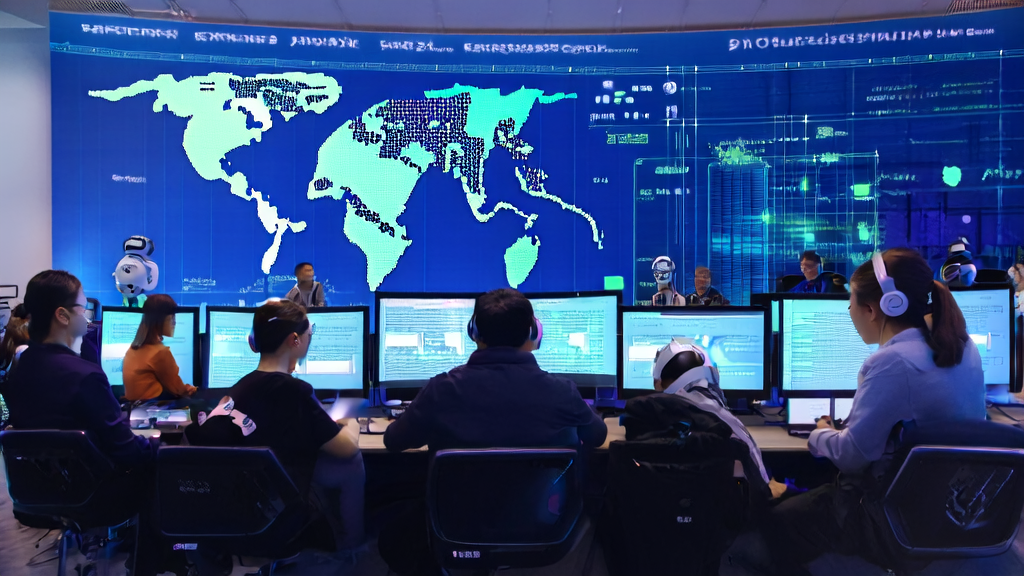
As artificial intelligence (AI) technology continues to advance, AI customer acquisition systems have become essential tools in the industrial digital transformation. Particularly within the export industry, intelligent AI-driven customer acquisition has been pivotal in helping companies maintain a competitive edge internationally while significantly increasing operational efficiency. This article focuses on the application of these technologies in foreign export environments, supported by analysis from an IDC publication which forecasts a substantial increase in public cloud service spending driven by AI innovations.

